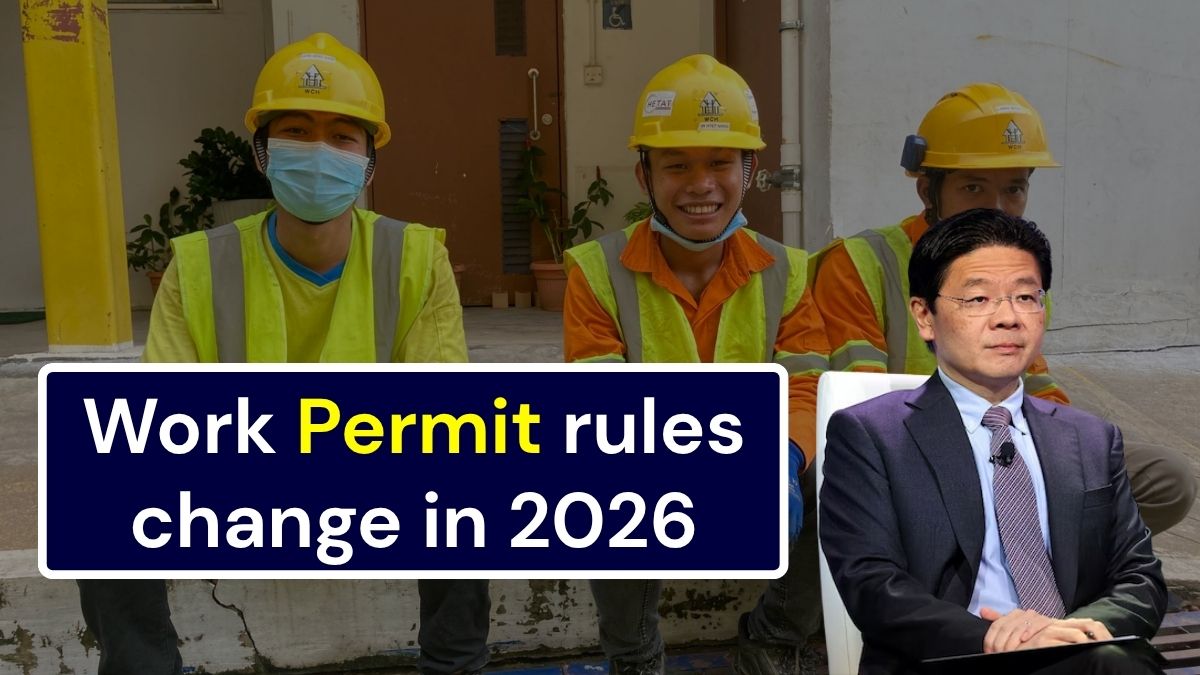
Singapore’s labour market policies are evolving in 2026, with major changes to Work Permit rules, including higher maximum age limits for foreign workers. These updates are highly relevant for businesses in construction, marine, manufacturing, and services sectors that rely on migrant labour.
From a business compliance, workforce planning, and cost management perspective, these changes can significantly impact hiring strategies and long-term operations in Singapore.
Key Change: Higher Age Limits for Work Permit Holders
Starting in 2026, the Singapore government will increase the maximum employment age for Work Permit holders:
- New maximum age: Up to 63 years old
- Previous limit: Typically capped at 60 years old
- Applies to selected sectors facing manpower shortages
This move aligns with Singapore’s broader workforce strategy to retain experienced workers and reduce labour turnover.
Why This Policy Matters for Employers
For companies managing foreign workforce hiring, payroll, and compliance, the updated age policy offers several benefits:
1. Lower Recruitment Costs
Hiring new workers involves levies, training, onboarding, and agency fees. Retaining older workers helps reduce these recurring costs.
2. Increased Workforce Stability
Experienced workers bring higher productivity, fewer safety incidents, and less training overhead—critical in sectors like construction and shipyard operations.

3. Better ROI on Foreign Labour
With extended working years, employers can maximize return on investment (ROI) on each Work Permit holder.
Financial Impact: Levies, Insurance, and Compliance
Businesses must still comply with Singapore’s strict regulatory framework, including:
- Foreign Worker Levy (FWL) rates
- Mandatory medical insurance coverage
- Workplace safety and insurance policies
- Quota dependency ratio ceilings (DRC)
These are high CPC areas in Singapore, especially related to:
- Business insurance Singapore
- Employee health insurance plans
- Corporate compliance services
- HR and payroll SaaS platforms
Companies may need to reassess insurance premiums and risk coverage, as older workers could influence underwriting costs.
Impact on Foreign Workers
For migrant workers, this policy is a positive shift:
- Longer employment duration in Singapore
- Higher lifetime earnings potential
- Reduced need for early repatriation
However, workers must continue to meet:
- Medical fitness requirements
- Valid employment contracts
- Sector-specific eligibility rules
Strategic Implications for Businesses
This update is particularly relevant for firms investing in:

- Workforce management software (HR SaaS Singapore)
- Corporate legal advisory services
- Business insurance and liability coverage
- Recruitment and manpower outsourcing services
Companies that proactively adapt can gain a competitive advantage in labour-intensive industries.
Conclusion
The Singapore Work Permit rules change in 2026 with higher age limits is a strategic move to support economic growth while addressing manpower shortages.
For employers, this means:
- Better workforce retention
- Lower hiring costs
- Improved operational efficiency
For workers, it provides:
- Greater job security
- Extended earning opportunities
Businesses should start reviewing their HR policies, insurance plans, and compliance frameworks now to stay ahead of these regulatory changes.
FAQ (People Also Ask)
Q1: What is the new age limit for Work Permit holders in Singapore?
The new maximum age will be increased to 63 years starting in 2026.
Q2: Which sectors are affected by this change?
Mainly labour-intensive sectors such as construction, marine, and manufacturing.

Q3: Will levies or quotas change with this update?
No direct changes announced yet, but employers must still comply with existing levy and quota rules.
Q4: Do employers need to update insurance policies?
Yes, companies should review employee insurance coverage and risk policies for older workers.
Q5: How does this benefit businesses in Singapore?
It reduces recruitment costs, improves workforce stability, and increases ROI on foreign labour.